Automotive parts supply to NigeriaAutomotive Parts Export to Nigeria from Thailand
Wholesale pickup, SUV, light truck and passenger car parts, batteries and tires from Thailand for Nigerian importers.
Supplied and shipped from Thailand. Catalogue products and parts not listed online can be quoted together.
- Main ports
- Lagos (Apapa · Tin Can Island) · Lekki Deep Sea Port
- Drive side
- Left-hand driveTraffic drives on the right
- Languages
- English
- Currency
- NGNQuotations can be issued in USD.
- Key applications
- Passenger car · SUV · Pickup · Minibus · Light truck
- Order types
- Wholesale import · Multi-model assortments · Mixed container
Vehicles in Nigeria
Source Parts by Vehicle
Nigerian vehicles are left-hand drive and many are used imports from North America and Europe. Confirm fitment by OEM number or VIN; side-specific parts must be LHD.
Product groups for Nigeria
Priority Product Categories
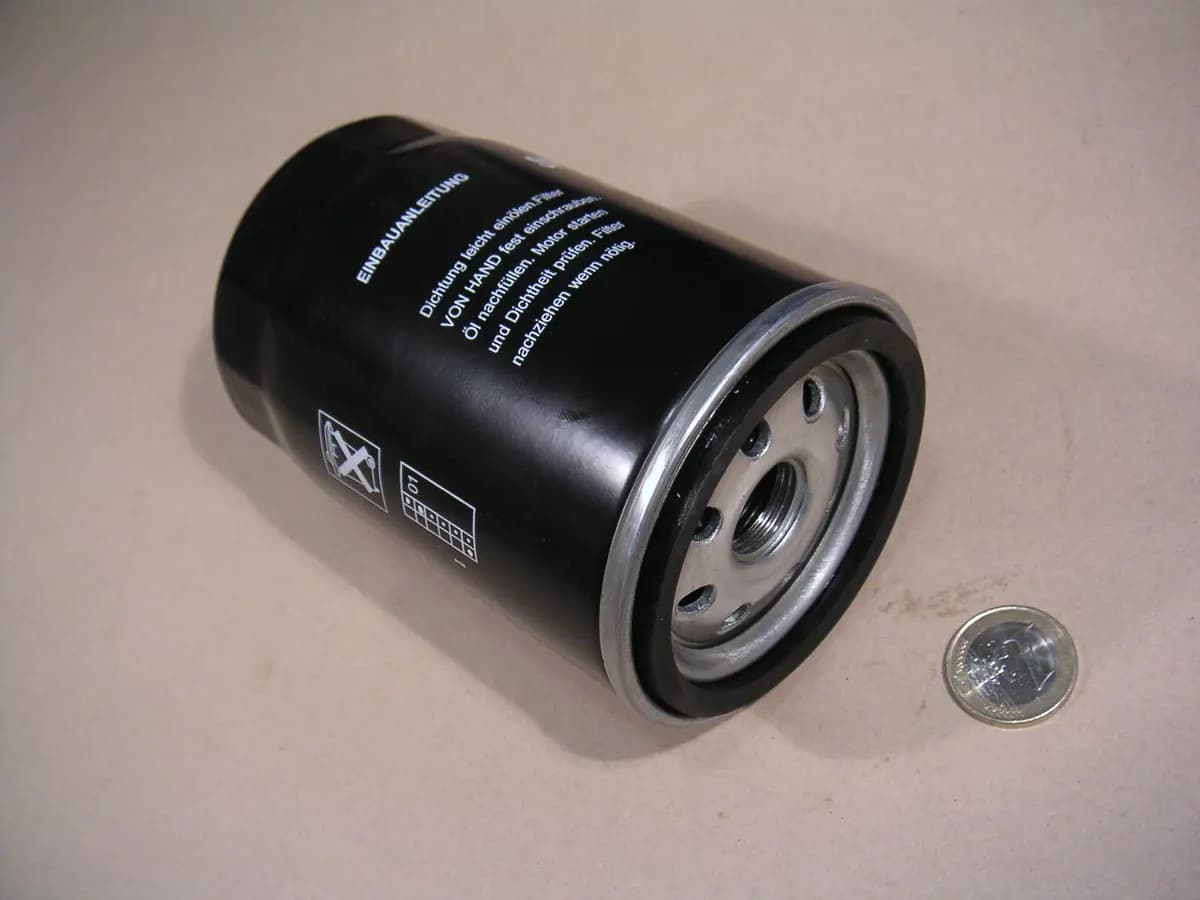
- Filters & ServiceFuel quality and harmattan dust · 161 products
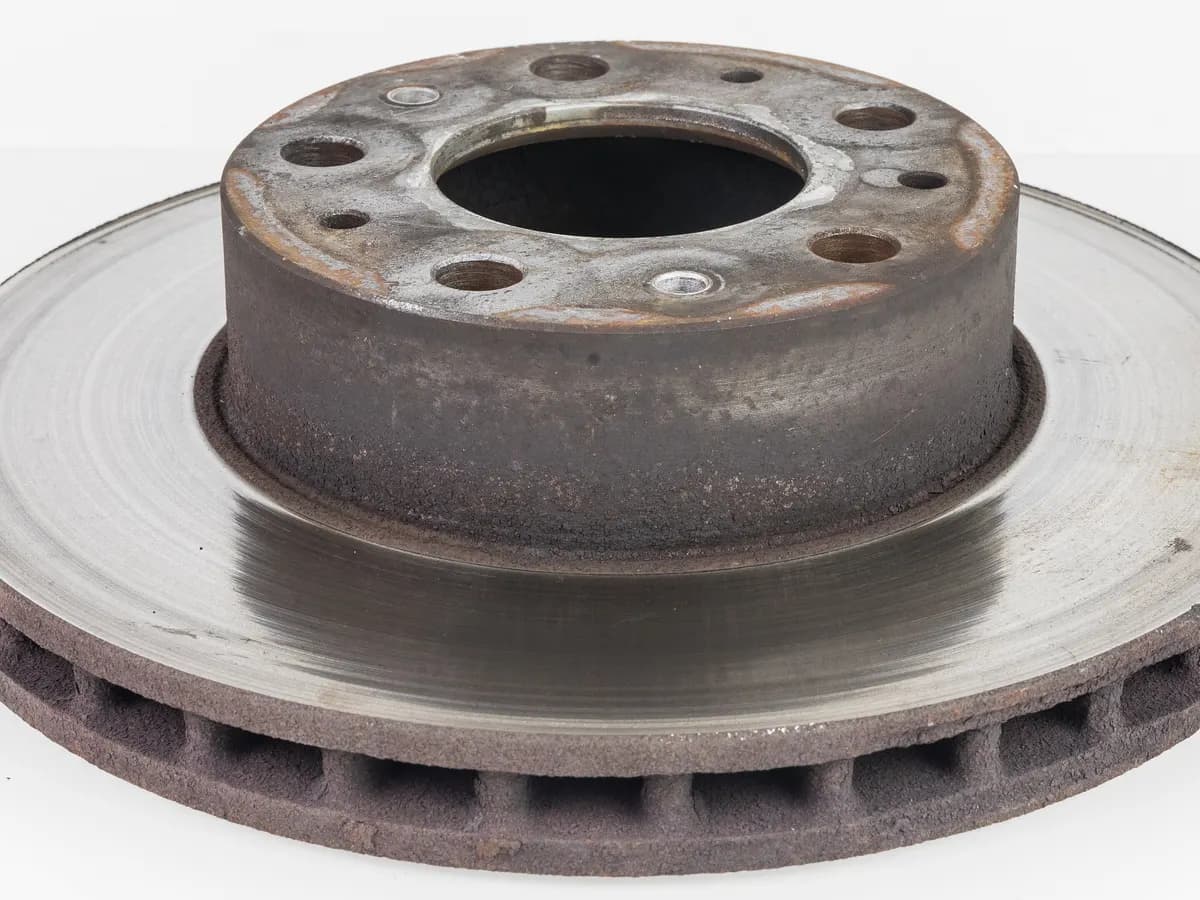
- BrakingHeavy urban traffic · 522 products
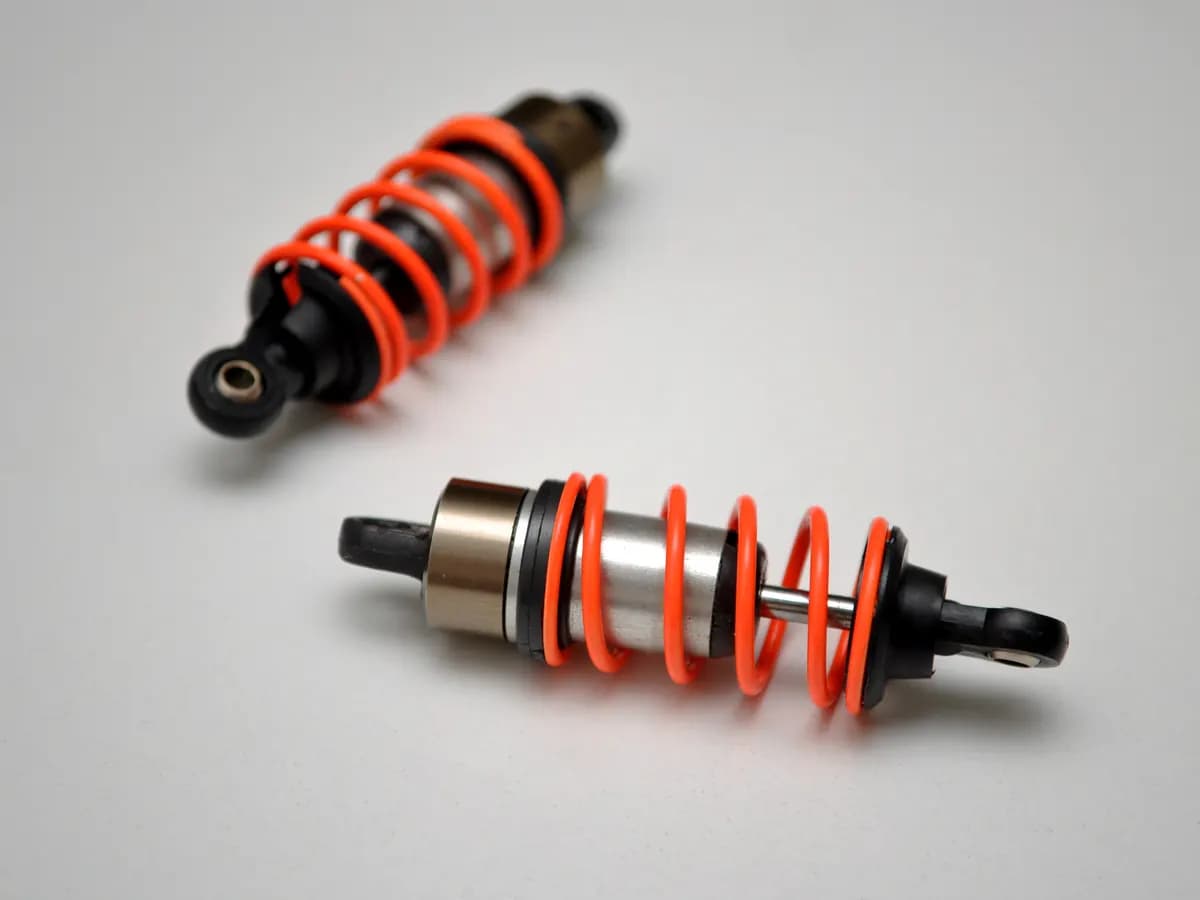
- Suspension & SteeringUneven road surfaces · 1,509 products
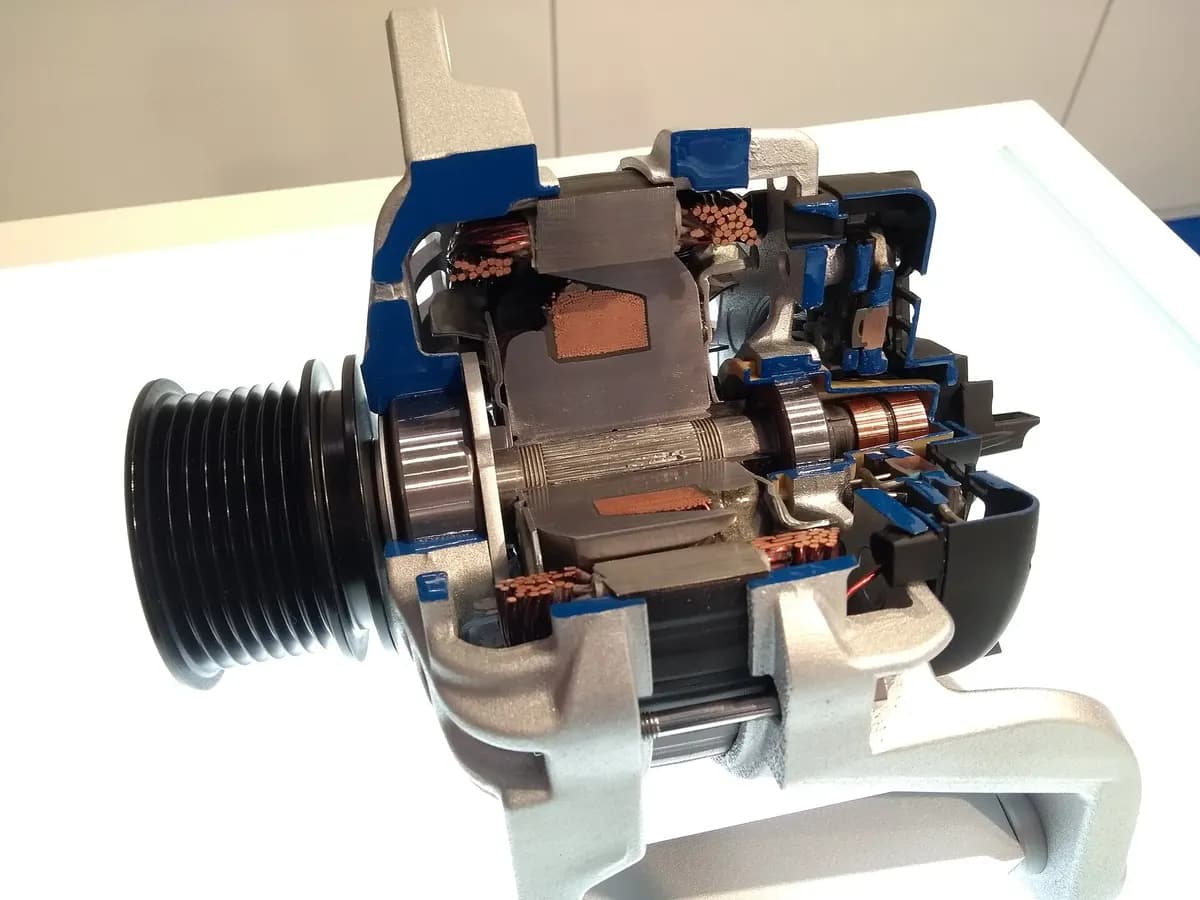
- Electrical & SensorsStop-start traffic · 328 products
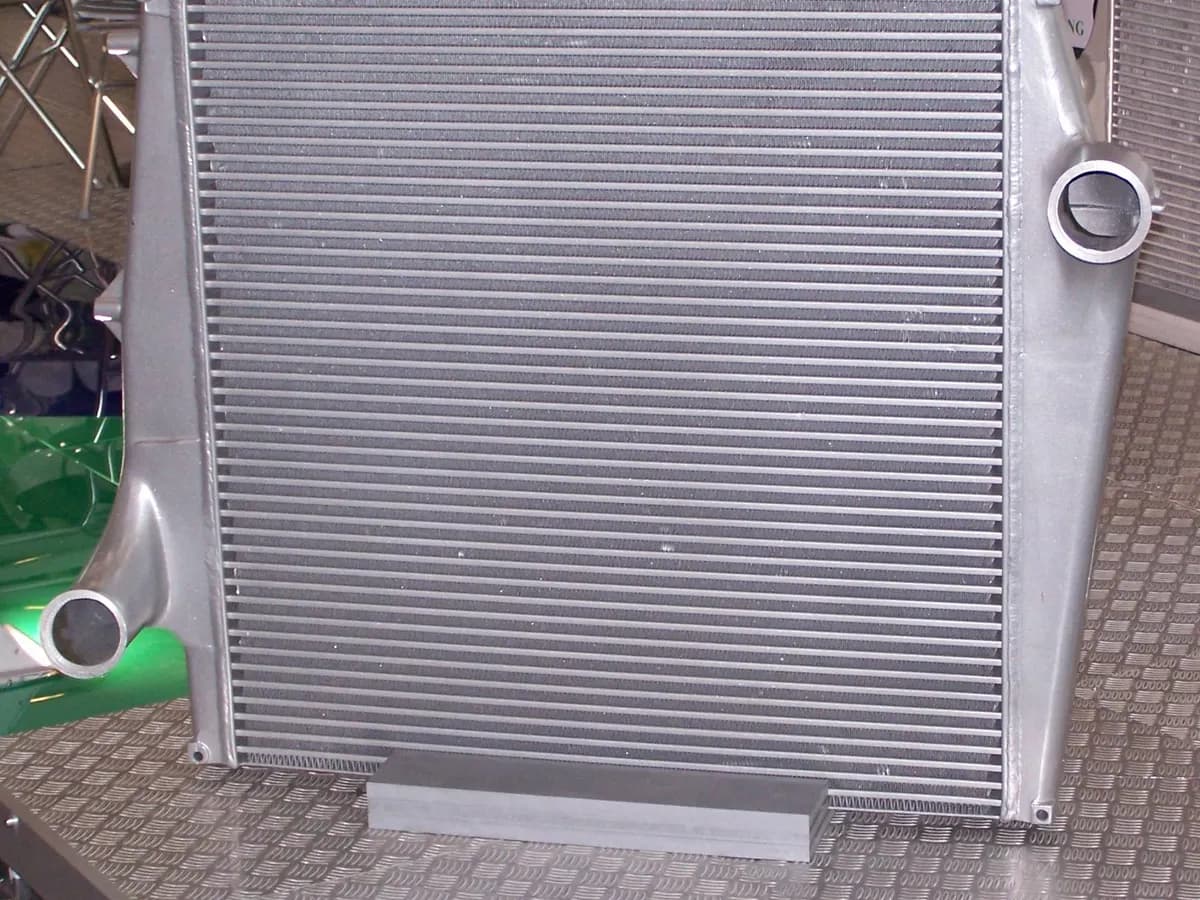
- CoolingHeat and congestion · 962 products
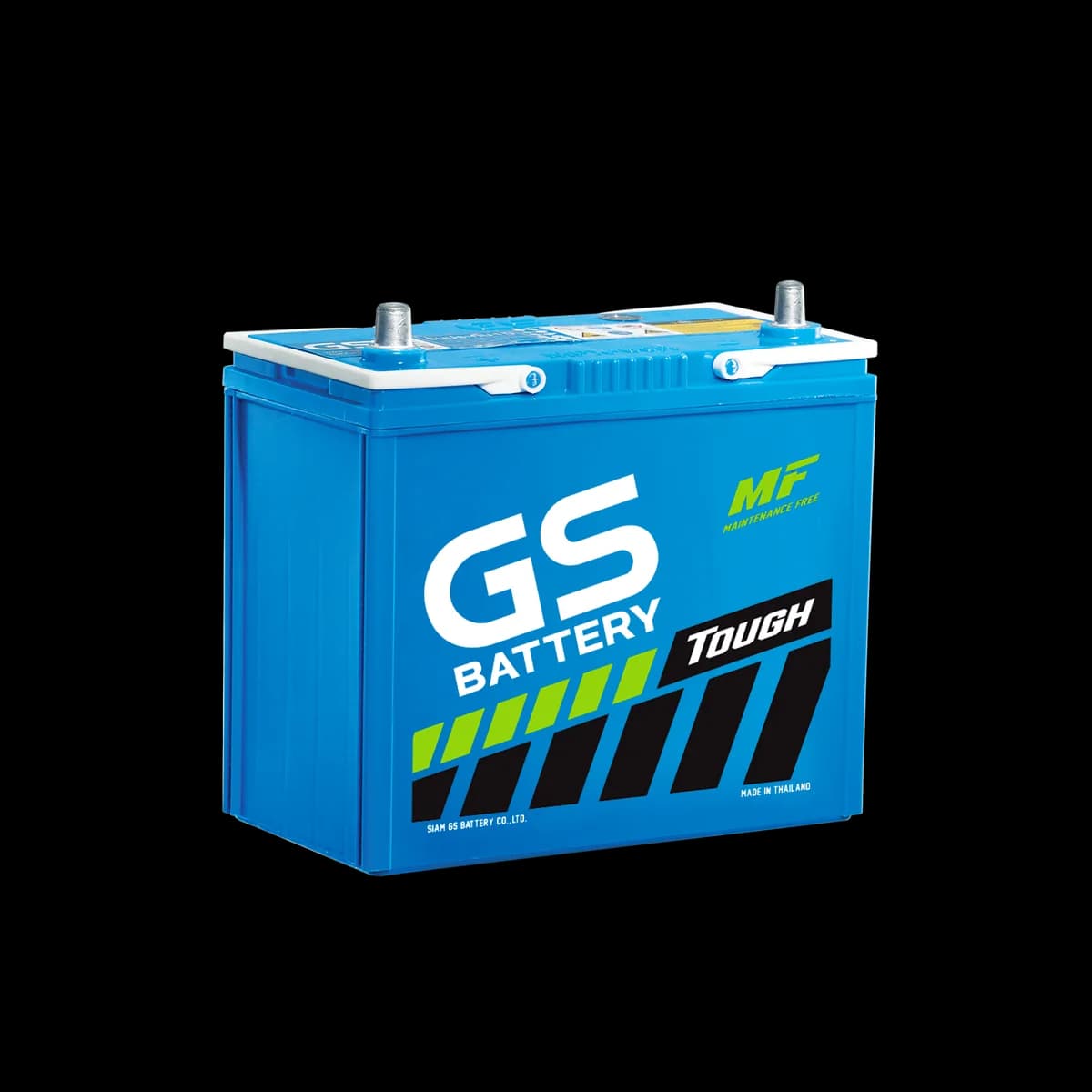
- BatteriesAutomotive and deep-cycle types · 1,923 products
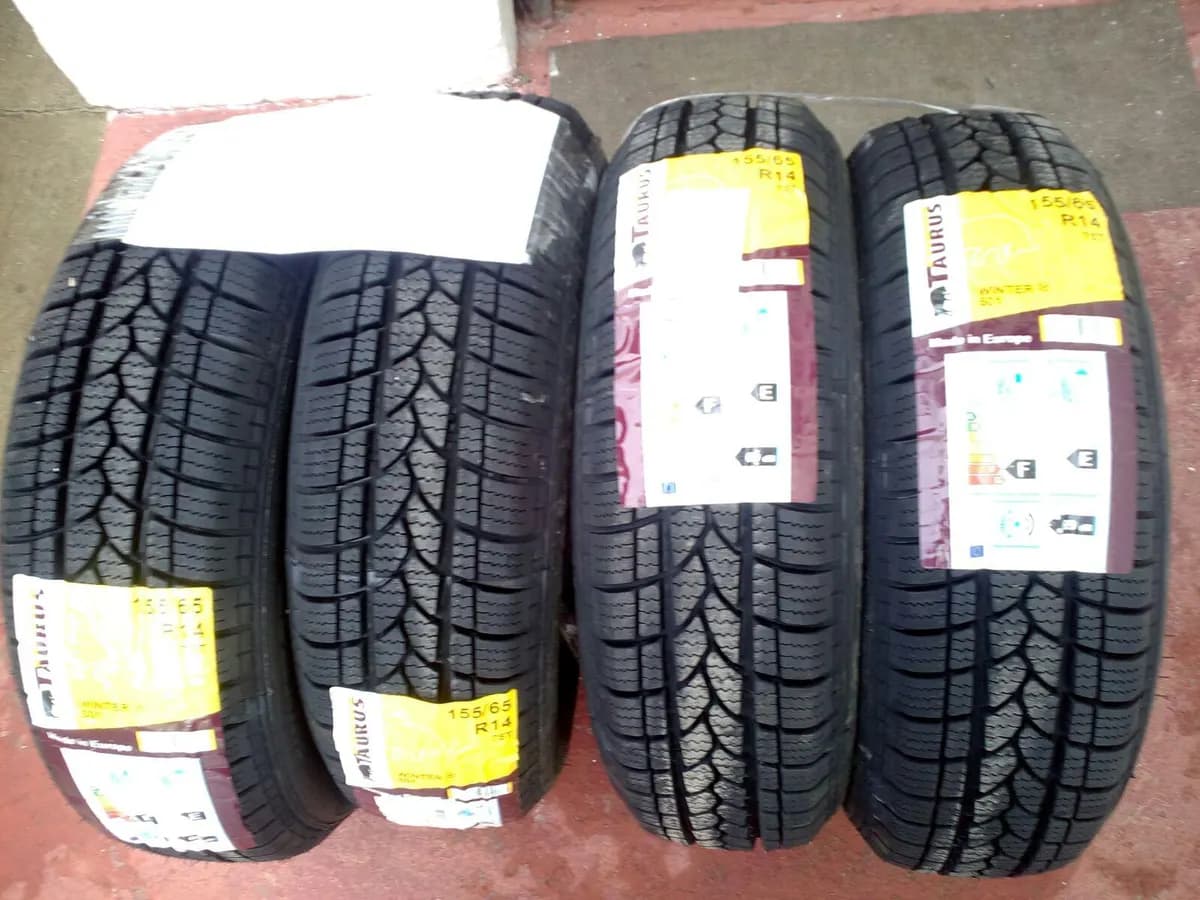
- TiresCar, pickup and bus sizes · 6,698 products
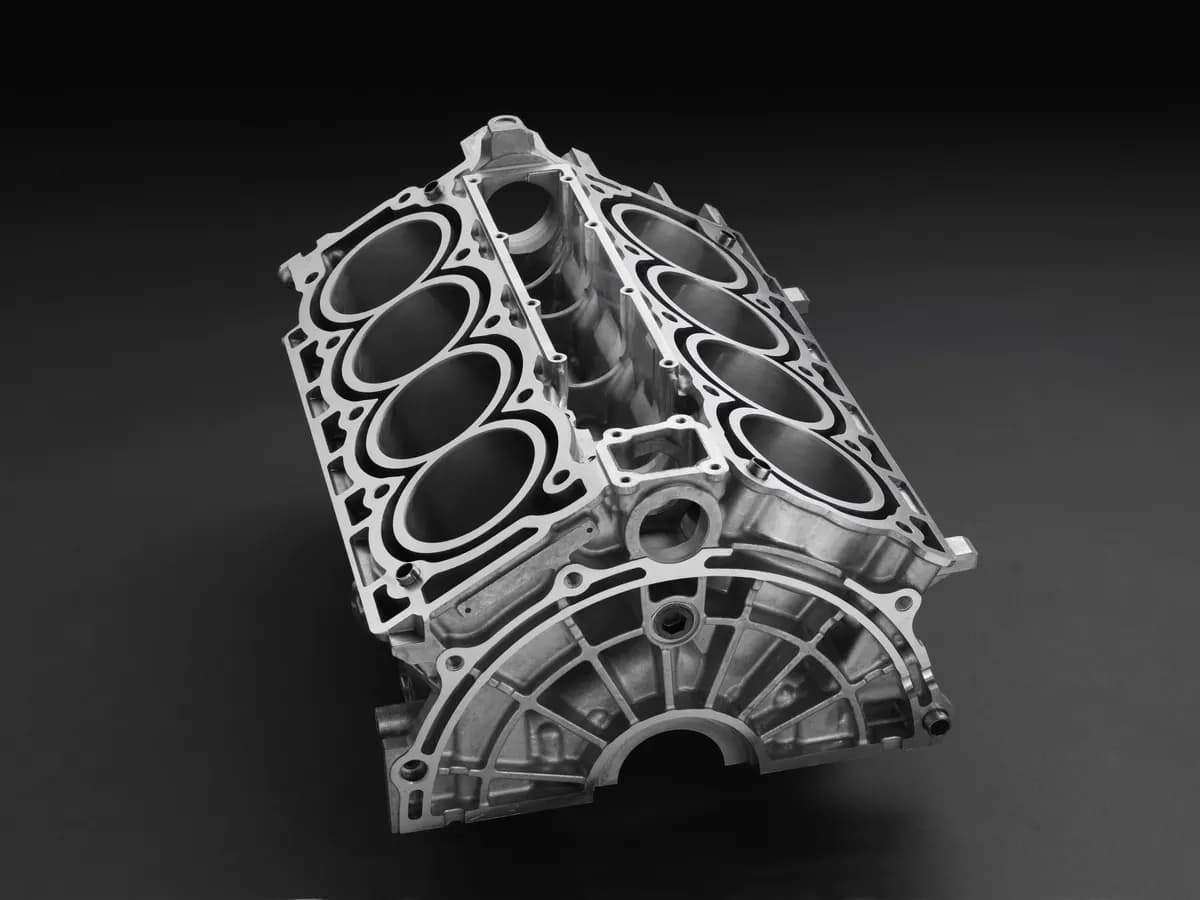
- Engine ComponentsConfirm fitment by VIN · 6,608 products
Market demand
Road, fuel and heat demand
- FiltersDiesel fuel filters and water separators, plus air filters in the harmattan season.
- Brakes & suspensionHeavy traffic and uneven roads wear pads, shocks and tie rod ends.
- BatteriesHeat and generator/inverter use — specify the application.
- Electrical & coolingAlternators, starters, radiators and fans for stop-start traffic.
- Light trucksService parts for Isuzu light and medium trucks.
Logistics
Shipping to Nigeria
- ThailandConsolidation & export
- Laem ChabangUsual port of loading
- Sea freightLCL · FCL · mixed container
- Lagos (Apapa · Tin Can Island)Nigeria
Ports
- Lagos (Apapa · Tin Can Island)Most containerised imports
- Lekki Deep Sea PortAdded container capacity east of Lagos
- OnnePort Harcourt, the south-east and oil and gas
Shipment types
LCL · FCL · Mixed container
20', 40' and 40' high-cube containers
Incoterms
FOB · CFR · CIF · FCA / EXW
CFR or CIF Lagos if we book freight; FOB if you have a forwarder in Thailand.
Choose the discharge port by warehouse and clearing-agent location; road congestion around ports can affect onward delivery.
Mixed container
One Shipment for Multiple Part Categories
- Service parts
- Filters
- Batteries
- Brake parts
- Body parts
- Tires
Who we supply
For Distributors, Fleets & Workshops
Distributors
Wide assortments covering many models and years
Fleet operators
Pickup, minibus and light-truck service parts
Workshops
Parts matched by OEM number or VIN
How ordering works
Four Steps from List to Shipment
Step 1: Upload or search
Send a parts list, OEM numbers or vehicles — or search the catalogue.
Step 2: Validate part numbers
We match references and flag lines that need sourcing.
Step 3: Quotation & availability
Prices, availability, packing and Incoterm confirmed in the quote.
Step 4: Consolidation & export
Supplier lines consolidated, documented and shipped from Thailand.
Documents & import
Documentation
- Commercial invoice
- Packing list
- Bill of lading
- Certificate of origin
- Product / DG documents where applicable
Documentation depends on product type, origin and destination requirements.
RFQ for Nigeria
Have a Parts List?
Upload your OEM numbers, quantities and destination. We review catalogue items and products not currently listed online together.
- XLSX
- CSV
Nearby markets
Markets near Nigeria
Supplying Nigeria: questions
Do I need Form M before you ship to Nigeria?
Nigerian importers are generally required to process a Form M through their bank before goods are shipped. Confirm the current procedure with your bank and clearing agent, and share the Form M details with us so documents match.
Will parts fit US-import Toyota and Honda vehicles in Nigeria?
Some parts are common across markets, but many are not. Send the VIN or OEM part number for each line so we can confirm whether a Thai-sourced part matches the US-specification vehicle.
Which port should I choose for delivery?
Apapa and Tin Can Island in Lagos handle most container imports. Lekki Deep Sea Port and Onne are alternatives depending on your location and clearing agent. We can quote CFR or CIF to the port you specify.
Can you quote CFR or CIF Lagos?
Yes. CFR or CIF Lagos suits buyers who prefer us to book ocean freight; FOB Thailand suits importers with their own forwarder. EXW and FCA are also available.
Can you source parts for Nigeria that are not listed on the website?
Yes. The online catalogue is not our full supply range. Send OEM or part numbers, the vehicle, specifications, photos or a parts list, and our sourcing team checks suppliers in Thailand before quoting.
Detailed Nigeria market notesVehicle parc, fitment, ports and documentation in depth
Nigeria's vehicle parc and parts demand
Nigeria is one of Africa's largest vehicle markets by number of vehicles in use, and most of that parc arrives as used imports rather than new vehicles. Used cars, SUVs and light commercial vehicles from North America and Europe make up a significant share, so the parc is diverse in model years and market specifications. Japanese brands, particularly Toyota, Honda and Nissan, are strongly represented among passenger cars and SUVs.
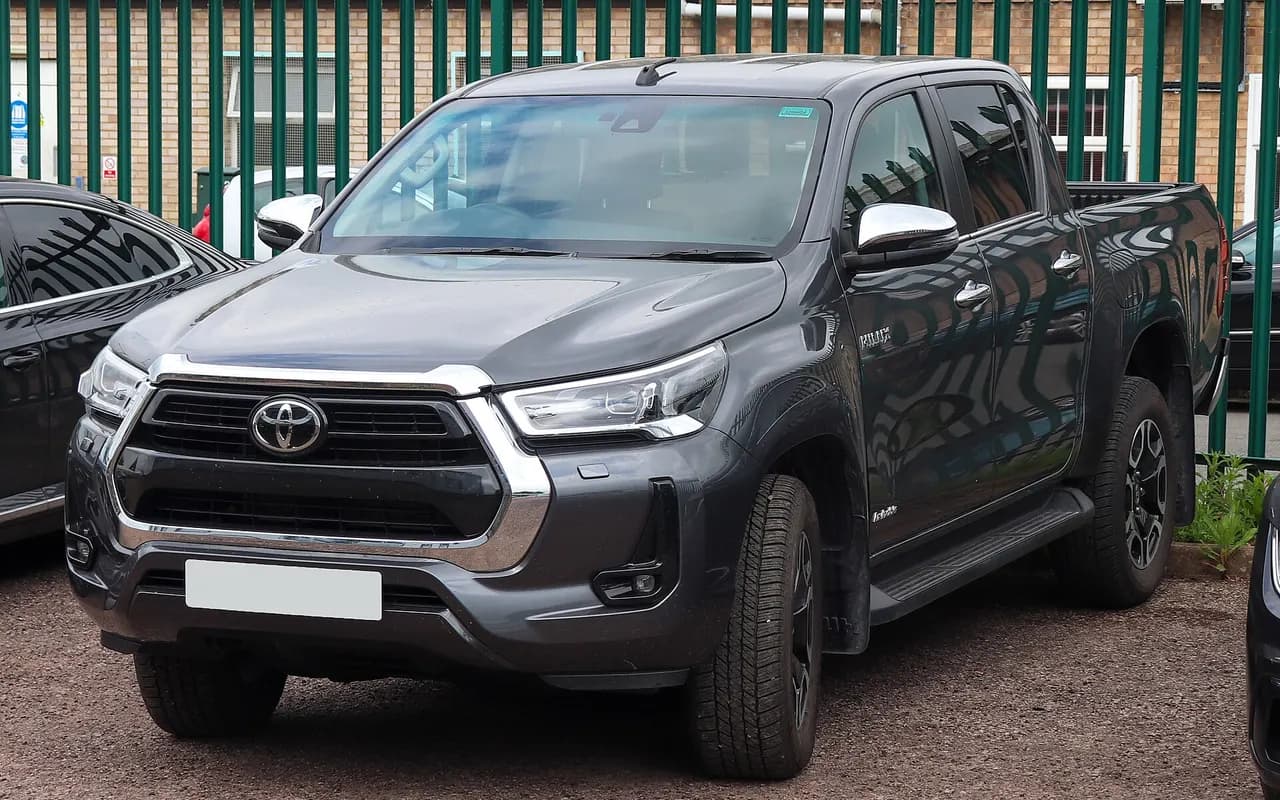
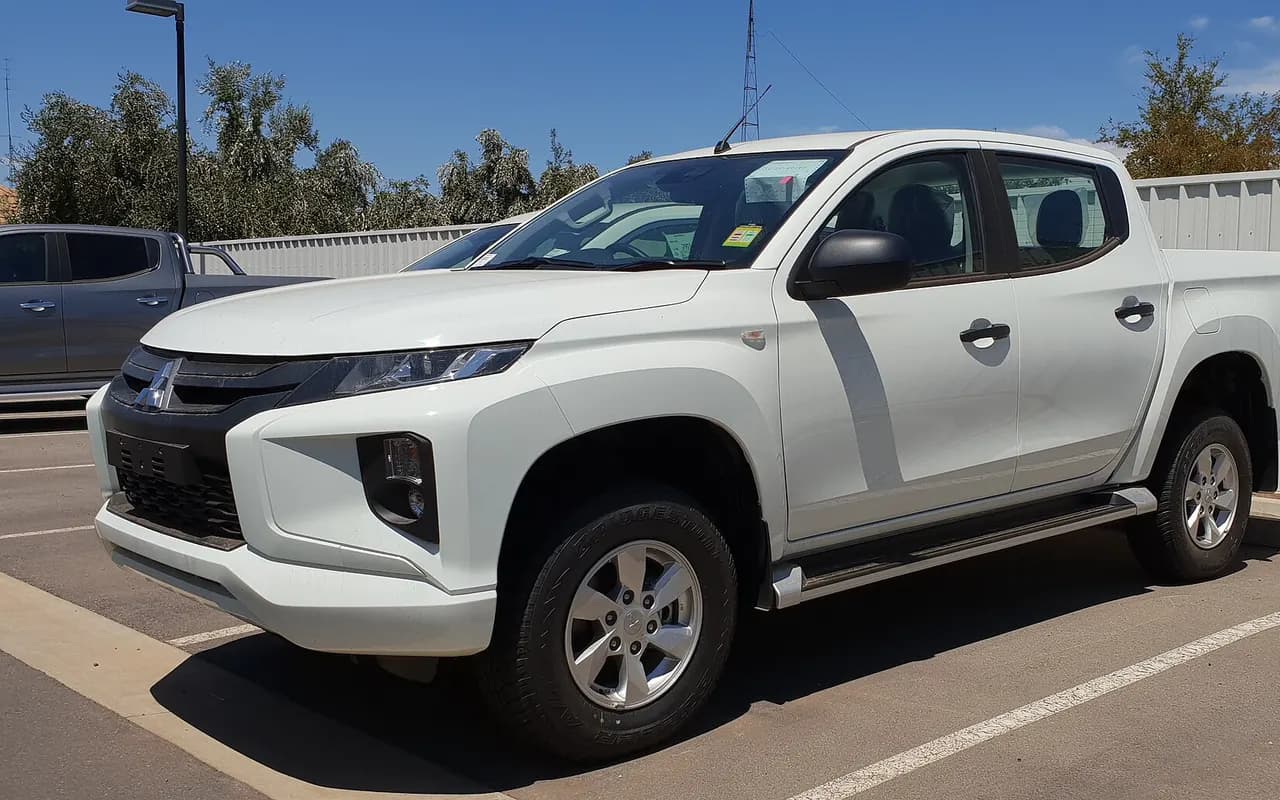
Commercial and institutional users rely heavily on pickups such as the Toyota Hilux, Nissan Navara and Mitsubishi Triton, while Toyota HiAce buses and similar minibuses play a large role in urban and intercity passenger transport. Light and medium trucks from Isuzu and other manufacturers carry goods between ports, wholesale markets and regional cities.
For parts importers this means two things: a wide assortment is needed to cover many models, and fitment should be confirmed by OEM number or VIN rather than model name, because a US-market vehicle and an Asian-market vehicle with the same badge can use different parts.
Drive side: left-hand-drive vehicles
Nigeria drives on the right, and vehicles are left-hand drive. Thailand's domestic vehicles are right-hand drive. Filters, brake pads and shoes, bearings, belts, clutch kits, gaskets and most engine components fit regardless of drive side. Steering racks and boxes, headlamps, mirrors, wiper linkages, dashboard-related parts and some body panels are side-specific; for these lines, always specify left-hand drive and give the OEM reference.
Categories that suit the Nigerian market
- Filters: fuel quality variation makes diesel fuel filters and water separators important, and dusty harmattan conditions in the dry season increase air filter replacement.
- Brakes and suspension and steering: heavy urban traffic and uneven road surfaces wear pads, shock absorbers, bushings and tie rod ends.
- Batteries: high temperatures and frequent use of generators and inverters create demand for automotive and deep-cycle type batteries alike; specify the application.
- Electrical and cooling parts: alternators, starters, radiators and fans for vehicles working in heat and stop-start traffic.
- Truck service parts for Isuzu light and medium trucks; see truck parts.
Ports and routing
Most containerized imports arrive through the Lagos port complex at Apapa and Tin Can Island. The Lekki Deep Sea Port east of Lagos adds container capacity, and Onne near Port Harcourt serves the south-east and the oil and gas sector. Choose the discharge port based on where your warehouse and clearing agent are located, as road congestion around ports can affect onward delivery.
Import documentation
Nigerian importers generally need to open a Form M through an authorized bank before goods are shipped, and regulated products are subject to the SONCAP conformity assessment program administered by the Standards Organisation of Nigeria. Requirements, product scope and procedures change, so buyers should confirm the current rules with their clearing agent and share the Form M details and any SONCAP requirements with us before shipment.
Standard export documents we prepare include the commercial invoice, packing list, bill of lading and certificate of origin. Tell us at the RFQ stage if your bank or clearing agent requires specific wording or additional documents.
Container planning and Incoterms
Nigerian importers commonly combine service parts, batteries and tires into one container to spread freight and clearance costs across more product lines. A 40' high-cube is often used for high-volume, lighter goods such as filters and body parts, while batteries are heavy and may limit how much volume can be used in a 20'. Our mixed-container service helps balance weight and volume.
CFR or CIF Lagos is a common choice for buyers who prefer the supplier to book ocean freight, while FOB suits importers who have their own forwarder in Thailand.
How to request a quotation
- Prepare a list with OEM numbers, part descriptions, models and quantities, or photos of parts if numbers are unavailable.
- Upload it at RFQ upload or use the RFQ form. RFQs can be submitted in English.
- We review fitment and availability, then return a quotation stating Incoterm, packing and payment terms.
Export supply to Nigeria
Request a Quote for Nigeria
Send your parts list, vehicles, quantities and port of discharge. Quotations cover catalogue products and parts sourced on request.